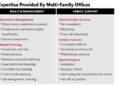


Delving into the realm of Private Wealth Management Strategies Used by Global Investors, this piece aims to shed light on the intricate world of financial planning tailored for high-net-worth individuals. Offering a blend of expertise and insights, this guide promises to equip readers with a deeper understanding of effective wealth management strategies.
Private Wealth Management Strategies Overview
Private wealth management involves the management of an individual's wealth, focusing on creating and implementing tailored financial strategies to help meet their specific financial goals and needs. This personalized approach typically includes investment management, financial planning, tax planning, estate planning, and risk management.
Global Investors Utilizing Private Wealth Management Strategies
- Warren Buffett: The renowned investor and CEO of Berkshire Hathaway is known for his long-term value investing approach, which is a key strategy in private wealth management.
- Carlos Slim Helu: The Mexican business magnate has successfully grown his wealth through strategic investments and diversification, highlighting the importance of risk management in private wealth management.
- Abigail Johnson: As the CEO of Fidelity Investments, Johnson oversees a wide range of investment products and services, demonstrating the significance of having a comprehensive financial plan in place.
Importance of Tailored Financial Plans in Private Wealth Management
Tailored financial plans are essential in private wealth management as they take into account an individual's unique financial situation, goals, risk tolerance, and time horizon. By customizing strategies to meet specific needs, investors can optimize their wealth accumulation and preservation efforts.
These plans help ensure that investment decisions align with the investor's objectives and provide a roadmap for achieving long-term financial success.
Diversification in Private Wealth Management

Diversification is a fundamental principle in private wealth management that involves spreading investments across different asset classes to reduce risk and enhance portfolio performance. By diversifying, investors aim to mitigate the impact of market volatility on their overall wealth.
Different Asset Classes in Private Wealth Management
In private wealth management, investors have a range of asset classes to choose from, including stocks, bonds, real estate, commodities, and alternative investments such as hedge funds and private equity. Each asset class comes with its own risk-return profile, liquidity, and correlation to market movements.
- Stocks: Investing in shares of publicly traded companies offers potential for high returns but comes with higher volatility.
- Bonds: Fixed-income securities provide steady income streams and are considered less risky compared to stocks.
- Real Estate: Property investments offer diversification benefits and the potential for rental income and capital appreciation.
- Commodities: Investing in physical assets like gold, oil, or agricultural products can act as a hedge against inflation and economic uncertainty.
- Alternative Investments: Hedge funds and private equity provide opportunities for higher returns but are typically less liquid and come with higher fees.
Diversifying investments across different asset classes helps investors reduce concentration risk and enhance the overall risk-adjusted returns of their portfolios.
Benefits of Diversifying Investments
Diversification offers several benefits in private wealth management, including:
- Risk Reduction: Spreading investments across different asset classes helps mitigate the impact of a downturn in any single sector or market.
- Enhanced Returns: By diversifying, investors can potentially capture upside opportunities in various sectors while minimizing losses in others.
- Income Generation: Different asset classes provide varying income streams, allowing investors to create a balanced portfolio that generates cash flow.
- Long-Term Stability: Diversification can help investors achieve long-term financial goals by maintaining a resilient and well-balanced investment portfolio.
Risk Management Techniques
Risk management is a crucial aspect of private wealth management, especially for global investors looking to protect and grow their wealth. By employing various risk management techniques, investors can minimize potential losses and maximize returns. Let's explore some common strategies used by global investors to manage risks effectively.
Diversification
Diversification is a key risk management technique that involves spreading investments across different asset classes, sectors, and geographic regions. By diversifying their portfolios, investors can reduce the impact of any single asset's poor performance on the overall portfolio. This helps in mitigating risks associated with market volatility and unforeseen events.
- Investing in a mix of stocks, bonds, real estate, and alternative investments
- Allocating assets across various industries and sectors
- Spreading investments globally to reduce exposure to regional risks
Diversification is often referred to as the only free lunch in investing, as it helps in reducing risks without necessarily sacrificing returns.
Risk Tolerance and Asset Allocation
Risk tolerance plays a significant role in private wealth management decisions, as it determines how much risk an investor is willing to take to achieve their financial goals. Investors with a higher risk tolerance may opt for more aggressive investment strategies, while those with a lower risk tolerance may choose safer options.
- Assessing risk tolerance through questionnaires and discussions with financial advisors
- Aligning asset allocation with risk tolerance to create a balanced portfolio
- Regularly reviewing and adjusting asset allocation based on changing risk preferences
Insurance Products for Risk Mitigation
Insurance products can also play a crucial role in mitigating risks within a private wealth portfolio. Investors can use insurance to protect against potential losses due to unforeseen events such as accidents, illnesses, or natural disasters. This provides an additional layer of security and helps in safeguarding wealth over the long term.
- Utilizing life insurance to provide financial protection for loved ones in case of unexpected death
- Purchasing health insurance to cover medical expenses and reduce healthcare-related risks
- Investing in property and casualty insurance to protect assets from damage or liability claims
Tax Planning Strategies for Global Investors

Tax planning is a crucial aspect of private wealth management for global investors. By strategically managing taxes, high-net-worth individuals can maximize their investment returns and preserve wealth for future generations. Tax-efficient investment strategies play a significant role in optimizing portfolios and achieving financial goals.
Moreover, the impact of tax regulations on private wealth management decisions cannot be underestimated.
Tax Planning Considerations in Private Wealth Management
Tax planning considerations in private wealth management include maximizing tax-deferred accounts, utilizing tax-efficient investment vehicles, and implementing estate planning strategies to minimize estate taxes. High-net-worth individuals often work closely with tax advisors to develop personalized tax planning strategies that align with their financial objectives and risk tolerance.
- Maximizing tax-deferred accounts such as IRAs and 401(k)s can help investors reduce their current tax liabilities and grow their investments tax-free until withdrawal.
- Utilizing tax-efficient investment vehicles like index funds, exchange-traded funds (ETFs), and municipal bonds can minimize tax exposure and enhance after-tax returns.
- Implementing estate planning strategies such as setting up trusts, gifting assets, and establishing charitable foundations can help reduce estate taxes and preserve wealth for future generations.
Tax-Efficient Investment Strategies
Tax-efficient investment strategies focus on minimizing taxes on investment income, capital gains, and dividends. High-net-worth individuals often employ the following tax-efficient investment strategies to enhance after-tax returns and reduce tax liabilities:
- Harvesting tax losses to offset capital gains and reduce taxable income.
- Investing in tax-advantaged accounts like Roth IRAs and Health Savings Accounts (HSAs) to enjoy tax-free growth and withdrawals.
- Utilizing tax-advantaged investment vehicles such as 529 college savings plans and annuities to save for education expenses and retirement while minimizing taxes.
Impact of Tax Regulations on Private Wealth Management Decisions
Tax regulations can significantly impact private wealth management decisions, influencing investment choices, asset allocation strategies, and estate planning considerations. Changes in tax laws, rates, and deductions can have a profound effect on the after-tax returns of investments and the overall wealth preservation goals of high-net-worth individuals.
It is essential for global investors to stay informed about tax regulations and work closely with tax professionals to adapt their wealth management strategies to changing tax environments.
Estate Planning and Wealth Transfer
Estate planning plays a crucial role in private wealth management as it involves the strategic transfer of assets to future generations while minimizing tax implications. It ensures that your wealth is preserved and distributed according to your wishes after your passing.
Importance of Estate Planning
Effective estate planning allows global investors to protect their assets and ensure a smooth transfer of wealth to their heirs. It involves creating a comprehensive plan that Artikels how assets will be managed, distributed, and protected in the event of incapacity or death.
- Establishing a will or trust to specify how assets should be distributed.
- Minimizing estate taxes through strategic planning.
- Appointing guardians for minor children or beneficiaries with special needs.
- Protecting assets from creditors and potential legal challenges.
Wealth Transfer Strategies
Wealth transfer strategies are essential for preserving assets across generations and ensuring a smooth transition of wealth. Global investors can utilize various tools and techniques to transfer their wealth efficiently and securely.
- Setting up a trust to hold and manage assets for the benefit of heirs.
- Utilizing gifting strategies to transfer assets tax-efficiently during one's lifetime.
- Implementing a family limited partnership to pass down business interests.
- Creating a charitable foundation or trust to support philanthropic causes while reducing taxes.
Role of Trusts in Estate Planning
Trusts are commonly used by global investors in estate planning to protect assets, minimize taxes, and control the distribution of wealth. They offer flexibility, privacy, and asset protection while allowing for the seamless transfer of assets to beneficiaries.
- Revocable living trusts provide flexibility and control during one's lifetime.
- Irrevocable trusts can help reduce estate taxes and protect assets from creditors.
- Specialized trusts, such as charitable remainder trusts, can benefit both heirs and philanthropic causes.
- Generation-skipping trusts allow wealth to pass down to grandchildren or future generations tax-efficiently.
Closing Summary
In conclusion, Private Wealth Management Strategies Used by Global Investors encapsulates the fusion of precision planning, risk mitigation, and legacy preservation in the realm of wealth management. By embracing diversification, strategic tax planning, and estate considerations, global investors can navigate the complex landscape of wealth accumulation with confidence and foresight.
FAQ Overview
What is the role of tailored financial plans in private wealth management?
Tailored financial plans in private wealth management ensure that strategies are personalized to meet the unique needs and goals of individual investors, optimizing their financial outcomes.
How do different asset classes play a role in private wealth management strategies?
Diversification across various asset classes helps spread risk and maximize returns, providing a balanced approach to wealth management.
What are some common risk management techniques utilized by global investors in private wealth management?
Global investors often employ strategies such as asset allocation, hedging, and portfolio rebalancing to mitigate risks and safeguard their wealth.