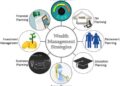

Exploring the intersection of money wealth management and sustainable investing, this guide offers valuable insights into how financial strategies can support environmentally conscious practices while ensuring long-term financial success.
From defining sustainable investing to highlighting the benefits of integrating wealth management with sustainable principles, this introduction sets the stage for a deep dive into this increasingly important topic.
Introduction to Sustainable Investing
Sustainable investing, also known as socially responsible investing (SRI) or environmental, social, and governance (ESG) investing, refers to an investment approach that considers not only financial returns but also the environmental and social impact of an investment. This type of investing aims to generate long-term value while promoting positive change in the world.
Importance of Sustainable Investing
Sustainable investing is increasingly important in today's financial landscape as investors are becoming more conscious of the impact their investments have on society and the environment. By integrating ESG factors into investment decisions, individuals and institutions can align their values with their financial goals, contributing to a more sustainable and equitable future.
Examples of Sustainable Investing Strategies
- Impact Investing: Investing in companies, organizations, or funds with the intention to generate positive, measurable social and environmental impact alongside financial returns.
- ESG Integration: Incorporating environmental, social, and governance factors into traditional financial analysis to identify risks and opportunities that may not be captured by financial data alone.
- Shareholder Advocacy: Engaging with companies on ESG issues through proxy voting, dialogues, and shareholder resolutions to drive positive change from within.
- Green Investing: Investing in companies or projects focused on renewable energy, clean technology, and sustainable practices to support the transition to a low-carbon economy.
Money and Wealth Management in Sustainable Investing
Money and wealth management play a crucial role in supporting sustainable investing by channeling funds towards environmentally and socially responsible projects. Financial institutions have recognized the importance of sustainable investing and have started incorporating it into their wealth management services to meet the growing demand from investors who prioritize sustainability.
Financial Institutions and Sustainable Investing
Financial institutions have been developing various financial products tailored for sustainable investing to align with the values of socially conscious investors. These products may include:
- Green bonds: These are fixed-income securities where the proceeds are used for environmentally friendly projects such as renewable energy or clean transportation.
- Socially responsible mutual funds: These funds invest in companies that meet specific ESG (environmental, social, and governance) criteria, promoting sustainable practices.
- Sustainable ETFs (exchange-traded funds): These funds track the performance of companies engaged in sustainable practices, allowing investors to diversify their portfolio while supporting sustainability.
Benefits of Integrating Money Wealth Management with Sustainable Investing
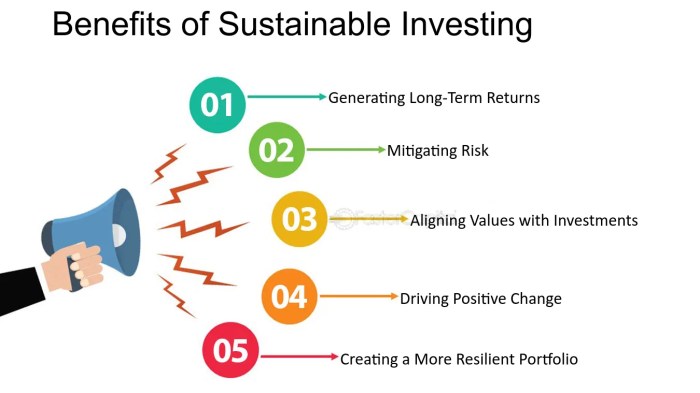
Integrating money wealth management practices with sustainable investing can offer numerous advantages for investors looking to align their financial goals with sustainable principles. This integration not only promotes responsible investing but also has the potential to enhance long-term financial growth.
Enhanced Portfolio Performance
By incorporating sustainable investing practices into wealth management strategies, investors can potentially improve their portfolio performance. Research has shown that companies with strong environmental, social, and governance (ESG) practices tend to outperform their peers in the long run. Therefore, integrating sustainable criteria into investment decisions can lead to better financial outcomes over time.
Risk Mitigation
Another benefit of integrating money wealth management with sustainable investing is the ability to mitigate various risks. Companies that prioritize sustainability are often better equipped to handle environmental, social, and governance risks, reducing the overall risk exposure of the investment portfolio.
This proactive approach to risk management can help protect investors' assets during periods of market volatility.
Alignment with Values
Investors who integrate sustainable investing principles into their wealth management approach can align their financial goals with their personal values. By supporting companies that are committed to sustainability and social responsibility, investors can feel good about where their money is being invested.
This alignment can provide a sense of fulfillment and purpose beyond financial returns.
Strategies for Implementing Sustainable Investing through Wealth Management
Implementing sustainable investing through wealth management involves various strategies that aim to align financial goals with environmental, social, and governance (ESG) considerations. By integrating sustainable investment practices, investors can not only generate financial returns but also contribute to positive social and environmental impacts.
Financial advisors play a crucial role in guiding clients towards sustainable investing opportunities within their wealth management portfolios.
Integration of ESG Factors in Investment Decisions
- Consideration of environmental, social, and governance factors alongside financial metrics when evaluating investment options.
- Engagement with companies on ESG issues to drive positive change and enhance long-term value creation.
- Utilization of ESG data and ratings to assess the sustainability performance of investments and make informed decisions.
Thematic Investing in Sustainable Sectors
- Focusing investments on specific themes such as clean energy, water conservation, or healthcare innovation to support sustainable development goals.
- Targeting companies that are leaders in sustainability practices within their respective industries to capitalize on growth opportunities.
- Diversifying portfolios across various sustainable sectors to minimize risk and maximize impact.
Impact Investing for Social and Environmental Outcomes
- Allocating capital to projects and companies that have a measurable positive impact on society and the environment.
- Monitoring and measuring the social and environmental outcomes of investments to ensure alignment with sustainability objectives.
- Engaging in direct investments or through impact funds to support initiatives that address pressing global challenges.
Shareholder Advocacy and Proxy Voting
- Exercising shareholder rights to advocate for ESG improvements in companies through proxy voting and engagement with corporate boards.
- Supporting shareholder resolutions that promote transparency, accountability, and sustainability practices within organizations.
- Collaborating with other investors and stakeholders to drive collective action on ESG issues and influence corporate behavior.
Closing Summary

In conclusion, the symbiotic relationship between money wealth management and sustainable investing opens up new avenues for investors to align their financial objectives with their ethical values. As the financial landscape continues to evolve, integrating sustainable investing practices into wealth management services remains a key strategy for achieving both financial growth and positive environmental impact.
FAQ Overview
What is sustainable investing?
Sustainable investing involves considering environmental, social, and governance (ESG) factors in investment decisions to generate long-term positive impact alongside financial returns.
How can financial institutions incorporate sustainable investing into their wealth management services?
Financial institutions can integrate sustainable investing by offering ESG-focused investment products, engaging in shareholder advocacy, and incorporating sustainability criteria into their investment analysis.
What are the advantages of integrating money wealth management with sustainable investing?
Integrating these practices can lead to enhanced long-term financial growth, reduced risk exposure, and the ability to align investment strategies with personal values and sustainable principles.
How do financial advisors guide clients in sustainable investing through wealth management services?
Financial advisors can educate clients on ESG factors, recommend sustainable investment products, and tailor wealth management strategies to align with clients' sustainable objectives.